




Article
Dave Ramsey's 5 Stages of Growth Applied to Youth Ministry
January 27, 2026
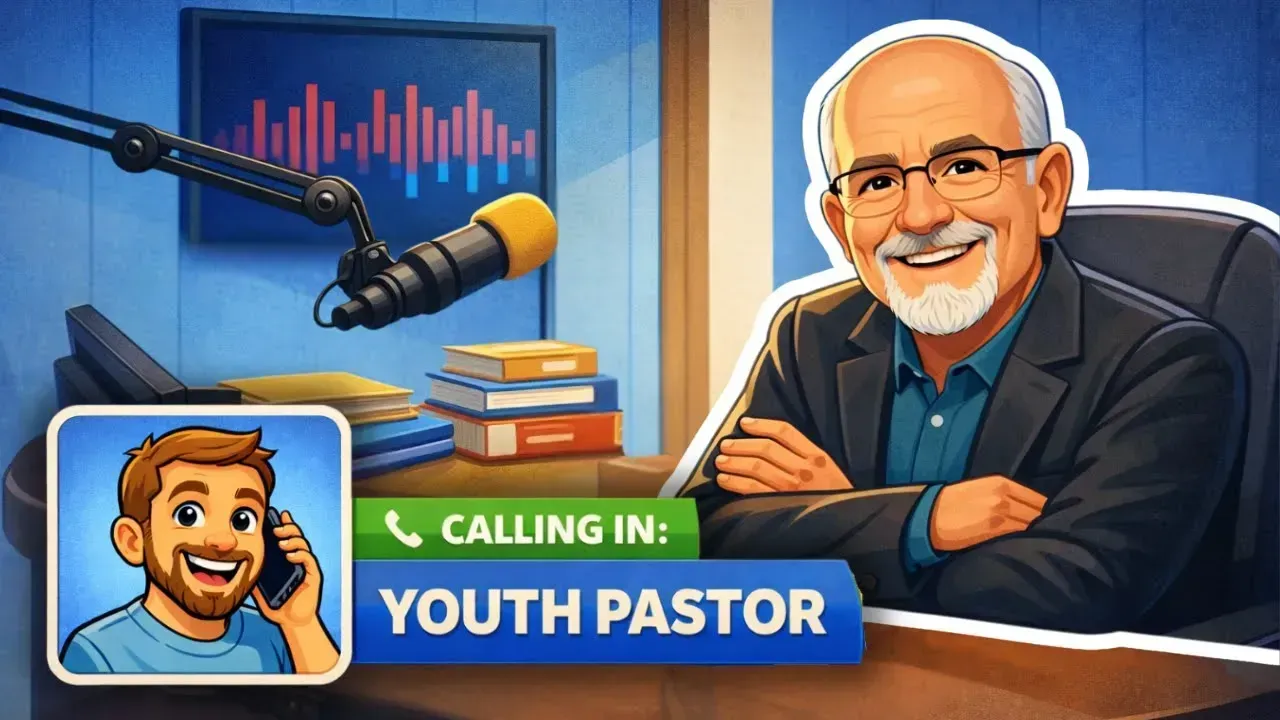
What Dave Ramsey Can Teach Us About Youth Ministry Growth
Check out the podcast
here
!
Dave Ramsey is best known for helping thousands of people get out of debt. His principles around money, discipline, and leadership have changed countless lives. But what if Dave Ramsey actually has something important to teach the youth ministry world ? In a recent conversation, Ryne and Keith explored insights from Ramsey’s book Building a Business You Love—and were surprised by how clearly his leadership framework maps onto the reality of youth ministry. The big idea? Every healthy organization grows through predictable stages—and frustration happens when leaders don’t know which stage they’re in or try to operate like they’re in a later one. While the Church is not a business (it’s an organism, not an organization), leadership realities still apply. When Ryne heard Dave Ramsey walk through these stages, it was like a lightbulb went on:
In business, the treadmill stage is where the owner does everything. Admin. Operations. Customer service. All of it. If the owner slows down, the business slows down. That’s why Dave Ramsey calls it the treadmill : You’re running hard. You’re exhausted. But nothing moves without you.
This stage probably sounds painfully familiar.
Until next time—keep running, but don’t stay on the treadmill forever.
Dave Ramsey is best known for helping thousands of people get out of debt. His principles around money, discipline, and leadership have changed countless lives. But what if Dave Ramsey actually has something important to teach the youth ministry world ? In a recent conversation, Ryne and Keith explored insights from Ramsey’s book Building a Business You Love—and were surprised by how clearly his leadership framework maps onto the reality of youth ministry. The big idea? Every healthy organization grows through predictable stages—and frustration happens when leaders don’t know which stage they’re in or try to operate like they’re in a later one. While the Church is not a business (it’s an organism, not an organization), leadership realities still apply. When Ryne heard Dave Ramsey walk through these stages, it was like a lightbulb went on:
“Every youth ministry goes through these.”So let’s walk through the five stages , what they look like in youth ministry, and how knowing your stage can help you move forward with clarity instead of burnout.
Stage 1: The Treadmill Operator
In business, the treadmill stage is where the owner does everything. Admin. Operations. Customer service. All of it. If the owner slows down, the business slows down. That’s why Dave Ramsey calls it the treadmill : You’re running hard. You’re exhausted. But nothing moves without you.
The Youth Ministry Parallel
This stage probably sounds painfully familiar.
- You plan the nights
- You teach the messages
- You text students
- You manage parents
- You run games
- You follow up with everyone
- Success is measured by how much energy you put in
- You feel both needed and trapped
- Faithfulness often looks like survival
Stage 2: The Pathfinder
At this stage, the leader finally lifts their head up. Instead of just running, you start asking:- What are we actually building?
- What matters most?
- How long can I keep doing this?
The Youth Ministry Parallel
In youth ministry, this is when you start saying:- “I need more volunteers”
- “We need some systems”
- “This isn’t sustainable”
- Trying new structures
- Testing new ideas
- Adjusting schedules
Stage 3: The Trailblazer
This is where momentum kicks in. In business, the trailblazer stage is marked by:- Clear values
- Defined roles
- Systems that mostly work
- Growth that’s real—but chaotic
The Youth Ministry Parallel
In youth ministry, this looks like:- Volunteers who lead, not just help
- Clear vision and priorities
- Systems for follow-up and care
- Students who know what’s expected
Stage 4: The Peak Performer
This is the stage most leaders think is the finish line. In this stage:- The ministry no longer depends on one person
- Leaders make decisions aligned with the vision
- Systems and culture do the heavy lifting
- The leader spends more time coaching than executing
The Youth Ministry Parallel
Here’s how you know you’re here:- The ministry runs even when you’re gone
- Leaders make wise decisions without asking permission
- Students are taking ownership of their faith
- The ministry feels more like a movement than a program
Decisions made in your absence that reflect your heart.But even here, there’s a danger. Dave calls it reading your own press clippings . If you stop innovating, you stop growing.
Stage 5: The Legacy Builder
This final stage isn’t about you at all. It’s about:- Succession planning
- Culture protection
- Long-term impact
- Preparing others to lead beyond you
What happens when I’m no longer here?
The Youth Ministry Parallel
Legacy-building youth ministries:- Develop leaders intentionally
- Disciple students to outlast the program
- Don’t rise or fall on one personality
- Can thrive without the original leader
Legacy isn’t about being remembered. It’s about being replaced well.That goes against everything in us—but it’s deeply biblical. The ultimate test of leadership is when people don’t know your name… and the ministry is still flourishing.
So, What Stage Are You In?
The frustration many youth pastors feel doesn’t come from failure—it comes from misalignment. When you don’t know your stage, you try to lead like you’re somewhere you’re not. The invitation is simple:- Be honest about where you are
- Be faithful in that stage
- Trust God to grow what you steward
Until next time—keep running, but don’t stay on the treadmill forever.
Training Library
Related Articles

By Ellen Hembree
•
September 8, 2026
Check out the podcast here

By Ellen Hembree
•
September 8, 2026
Check out the podcast here